Mom Hobbies That Heal: Reclaiming Your Spark to keep Your Mommy Magic

The Invisible Struggle of Motherhood

Hey there, amazing mama! Let’s talk about something that’s often overlooked—mom hobbies. Motherhood is beautiful, messy, and sometimes completely overwhelming. After having kids, it’s so easy to lose yourself in the whirlwind of diaper changes, endless laundry, and constant caregiving. But here’s the truth – your mental health matters just as much as your family’s well-being.

Many moms feel guilty about taking time for themselves, but self-care isn’t selfish – it’s essential. When you’re emotionally recharged and fulfilled through things like mom hobbies, you become a better parent, partner, and most importantly, a happier version of yourself.

Mom Hobbies – Your Sanity-Saving Grace

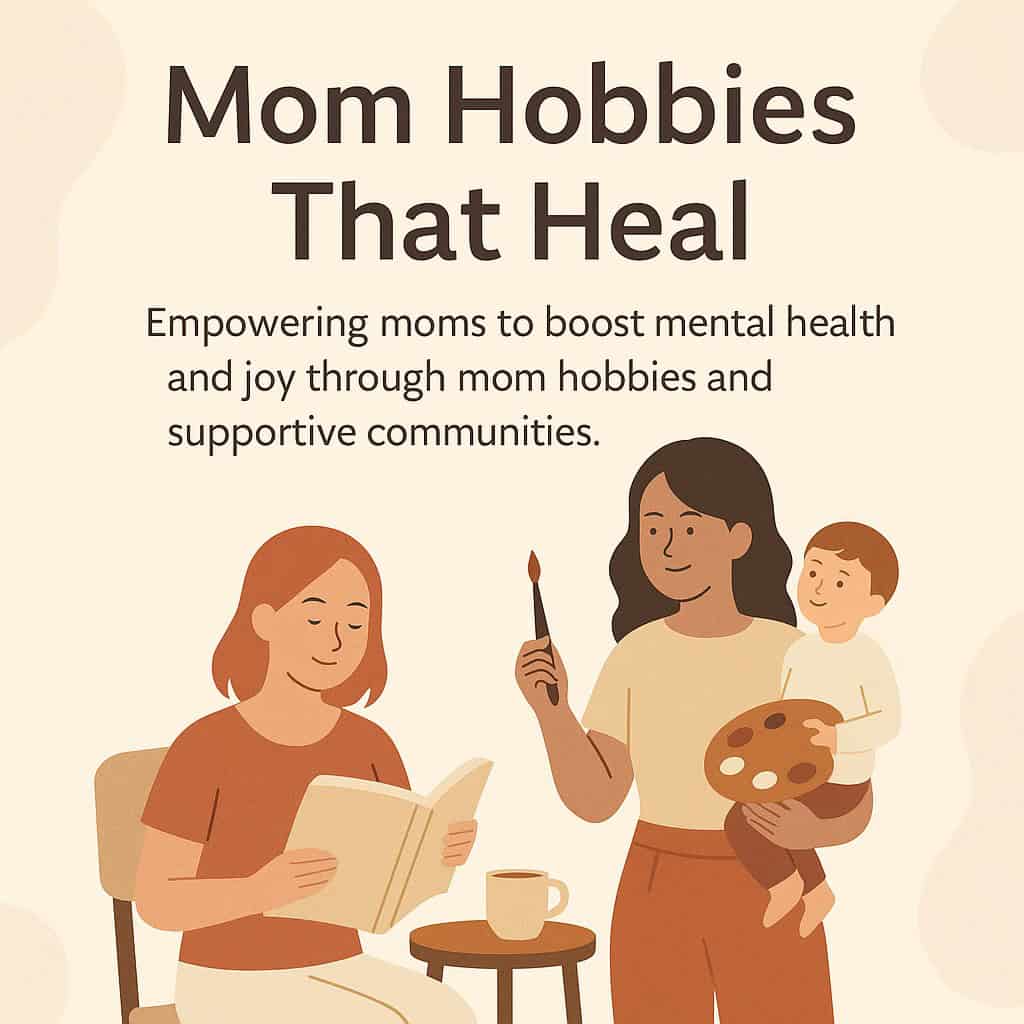
Finding personal interests doesn’t mean abandoning your family. Instead, think of mom hobbies as your secret weapon for maintaining your identity. Whether it’s painting during naptime, joining a book club, or taking a weekly yoga class, these activities are like oxygen for your soul.

Consider exploring hobbies that can include or exclude your children. Some days you’ll want connection, other days you’ll crave solo time – and both are perfectly okay. The key is variety and consistency in nurturing your personal passions.
Building Your Mommy Support Network

Connecting with other moms can be a game-changer for your mental health. Local mom groups, online communities, and parent meet-ups provide incredible support and understanding. These connections remind you that you’re not alone in your experiences.

Pro tip: Check out Facebook for local meetup groups and virtual support networks. There are resources that can help you find your tribe and create meaningful friendships with other parents who truly get your journey.

Solo Adventures and Kid-Free Moments

Sometimes, the most rejuvenating experiences happen when you’re completely alone. Schedule regular kid-free activities that bring you joy. This might mean a monthly spa day, a photography workshop, or simply reading at a quiet café.

We’ve created a special resource just for moms seeking balance. Visit this  article to check out of the importance of self-care after becoming moms.

Practical Self-Care Strategies

Let’s get practical about maintaining your mental health. Start small – 15-minute meditation sessions, quick workout videos, journaling, or learning a new skill online. The goal isn’t perfection but consistent, gentle self-nurturing.

Remember, mom hobbies can be anything that makes you feel alive again. Some moms recharge through creative pursuits, while others find peace in physical activities or learning. Experiment and be kind to yourself in the process.

Embracing Imperfect Progress

Motherhood isn’t about doing everything perfectly; it’s about showing up, loving deeply, and taking care of yourself along the way. Your children will learn more from watching you prioritize your well-being than from any perceived notion of perfect parenting.

Give yourself grace. Some days will feel magical, others overwhelming. But by investing in your mental health and finding the right mom hobbies, you’re modeling resilience, self-love, and personal growth for your little ones.

You’re not just a mom – you’re a superhero, artist, friend, and incredible human navigating an amazing, complex journey. Your mental health is your greatest asset. Embrace it, protect it, and watch how it transforms your entire family’s dynamic.


Rediscovering Yourself: Embracing Mental Health Postpartum

The Rollercoaster of Emotions

Hey there, mama! Isn’t it wild how becoming a mom can change everything? You’re suddenly juggling sleepless nights, diaper changes, and a tiny little human who looks to you for everything. It’s exhilarating, but let’s be honest: it can also be overwhelming. During the postpartum period, many of us face a whirlwind of emotions that can sometimes leave our mental health feeling a little fragile.

It’s important, though, to know you are not alone in this. Many of us struggle with mental health postpartum, and that’s completely normal. Embracing this new identity while grappling with those fluffy, rosy expectations can feel daunting. But what if I told you that rediscovering your self-confidence can help you navigate through these turbulent waters? As we journey together through this blog, I hope to share valuable insights and tips on how we can reclaim our self-worth and boost our well-being.

The Shift in Identity: From Woman to Mother

Motherhood is a huge shift in identity. One day, you might be a career-driven woman, and the next, you’re changing a hundred diapers a week. It’s easy to lose sight of who you are outside of being a mother. As we navigate this new role, many of us can experience feelings of self-doubt, especially when it comes to our mental health postpartum.

Take a step back and think about the person you were before the baby arrived. What were your passions and interests? How did you used to fill your time? It’s vital to reconnect with those parts of yourself. Maybe it’s reading, exercising, or pursuing a hobby that made you feel alive. You have the power to hold onto those threads of your identity while embracing this new chapter.

a mom that rediscovered herself and took care of her mental health postpartum.

The Power of Self-Compassion

Let’s talk about the magic of self-love. The first step in rediscovering self-confidence after having a baby is allowing ourselves to practice self-compassion. It can be so tempting to criticize our bodies and our choices, but that only exacerbates our mental health postpartum. Instead, try to shift your perspective.

Instead of thinking, “I can’t believe I do not look the same,” consider celebrating your body for the incredible work it has done. After all, it created life! Understand that it’s okay to feel overwhelmed or uncertain. Reach out to another mom, like me or your friends, and share your stories. Sometimes, simply hearing someone else relate can make a world of difference.

For more inspiration on self-love, check out this article on the importance of self-love that I found uplifting.

Practical Steps to Boost Your Confidence

So, where do we go from here? Feeling good about ourselves requires active steps towards nurturing that self-confidence. Start small! Consider dedicating just 10 minutes a day to do something for yourself, whether that’s enjoying a quiet cup of coffee, indulging in a skincare routine, or reading a book. Prioritize those little moments and expand them as time allows.

Additionally, nourishing your mind and body plays a significant role in your journey. Focus on wholesome foods, gentle exercise, and plenty of hydration. Here you can find some other ways to improve mental health.Remember, taking care of yourself is not a luxury—it’s a necessity. You’ll discover that as your physical health improves, so does your mental health postpartum.

Celebrating Progress, Not Perfection

It’s easy to get caught up in chasing an idealized version of motherhood. But I want you to remember this: progress is what counts, not perfection. Celebrate each small victory, whether it’s getting a full night of sleep or simply enjoying a walk outside. Keeping track of these moments can be transformative, helping you focus on what you’ve accomplished rather than the shortcomings.

Connecting with other moms, sharing your experiences, and cheering each other on creates a supportive network that encourages self-confidence and mental well-being. Reach out to friends, join mom groups, or even start a chat in an online community. There’s strength in numbers, and together, we can lift each other up.

You’re Not Alone

As we wrap this up, I want you to remember that your journey is uniquely yours. The challenges you face regarding mental health postpartum are valid and shared by many. Embrace the unfolding journey of rediscovering self-confidence. Take it one day at a time, find joy in the little things, and celebrate who you are.

You are doing an amazing job, Mama, even when it doesn’t feel that way. Don’t hesitate to seek support from friends or professionals if you feel overwhelmed. Together, we can encourage a healthy conversation about mental health postpartum and reclaim our confidence in this beautiful motherhood journey!

How to Start Journaling: A Simple Guide for Moms

Journaling can be a transformative habit, especially for busy moms looking for clarity, stress relief, and a way to capture life’s special moments. If you’ve ever wondered how to start journaling, this guide will help you embrace the practice and make it part of your daily life.

Why Should Moms Start Journaling?

Life as a mom can be hectic, with constant demands on your time and energy. Journaling provides a quiet space to reflect, express emotions, and even problem-solve. Research shows that journaling can reduce stress, improve mood, and enhance overall well-being. It’s not just about writing—it’s about giving yourself a moment to breathe and reconnect with your thoughts.

How to Start Journaling: Tips for Beginners

1. Set a Purpose
Decide why you want to journal. Are you hoping to track your emotions, document memories, or plan your days? Knowing your purpose will guide your journaling practice.

2. Pick Your Tools
Choose a notebook or digital app that feels right for you. Whether it’s a simple spiral notebook or a fancy journal, what matters most is consistency.

3. Start Small
Begin with 5–10 minutes a day. Write about whatever comes to mind—no rules, no judgment. If you’re unsure what to write, try prompts like:

  • What made me smile today?
  • What challenges did I face, and how did I handle them?
  • What am I grateful for right now?

4. Incorporate It Into Your Routine
Pair journaling with an existing habit, like having your morning coffee or winding down before bed. Making it part of your routine ensures consistency.

5. Experiment with Styles
Explore different journaling techniques such as:

  • Gratitude Journaling: Write three things you’re thankful for daily.
  • Bullet Journaling: Combine planning, task management, and reflection.
  • Stream-of-Consciousness: Write freely without worrying about structure or grammar.

Benefits of Journaling for Moms

Starting a journaling habit can:

  • Help you process emotions and manage stress.
  • Improve your ability to prioritize and plan.
  • Capture meaningful memories to reflect on later.

For more tips on prioritizing self-care, check out our article on The Importance of Self-Love.

Resources to Get You Started

If you need inspiration, there are many free resources and prompts available online. In this article on Psychology Today you can go into more detail of some of the benefits for journaling.

A notebook to start journaling

Learning how to start journaling is a simple yet impactful way to nurture your emotional health and preserve life’s precious moments. Whether you’re capturing memories, releasing stress, or reflecting on your day, journaling can become a meaningful part of your self-care routine.

Start your journaling journey today—you’ll thank yourself tomorrow.

Trusting and Embracing Your Postpartum Body with Patience and Self-Love

The Beauty of a Body that Gave Life

Hey, mama! If you’re reading this, you’re likely navigating one of the most transformative times of your life—those beautiful, challenging, and sometimes frustrating days following childbirth. Maybe you are struggling on trusting your postpartum body. But remember your body has done something amazing. It has nurtured, grown, and brought a new life into the world. And now, as you hold your precious little one, you might feel overwhelmed with the changes in your own body.

Learning to love and trust your postpartum body takes patience, especially when we’re bombarded with images of “snap-back” transformations that make the process look easy. But the reality is, recovery is a unique journey that deserves time, kindness, and respect. Let’s dive into why trusting the process is not just okay, but absolutely essential for your well-being and self-love.

1. Understanding the Stages of Postpartum Recovery

Your body’s recovery timeline doesn’t come with a one-size-fits-all approach. From immediate healing after delivery to the gradual return of strength and balance, postpartum recovery is a layered process that varies for every mom. Immediately after birth, your body is working overtime to heal, recalibrate, and adjust to the new demands of motherhood. In the months that follow, organs realign, muscles rebuild, and hormones stabilize. This incredible transformation is ongoing, and each stage serves its own purpose.

Remember: Just like pregnancy took nine months, your body’s recovery may take just as long—or even longer. And that’s perfectly okay.

2. The Power of Gentle Progress and Patience

In the early stages, you may feel tempted to “bounce back” to your pre-pregnancy self. But trying to rush this recovery can actually slow down your body’s ability to heal. Small, gentle movements are often more beneficial than intense workouts, especially in the first few months. Embrace this time as an opportunity to strengthen from the inside out—focusing on breathing, stretching, and low-impact movements that rebuild core stability.

If you’re feeling pressured to “do it all,” remind yourself: This journey is a marathon, not a sprint. Each gentle stretch, each walk with your baby, and each moment of rest is a step forward in your recovery.

3. Mind Over Body: Embracing Mental and Emotional Recovery

Postpartum recovery is more than physical. Emotionally, this is a time to reflect, process, and nurture yourself, too. With hormones fluctuating, sleep often elusive, and the new responsibilities of motherhood, your mental health deserves care and attention. Set boundaries to protect your energy, ask for help when you need it, and give yourself permission to take breaks.

Moms who prioritize mental recovery often find they can approach physical healing with a renewed sense of purpose and patience. Your mental and emotional health is just as important as the physical aspects of recovery. Trusting the postpartum body is key.

 Embracing the Postpartum body days after delivery

4. Trust the Process and Love the Skin You’re In

One of the most powerful lessons postpartum recovery can teach is self-compassion. Your body may look and feel different now, but that doesn’t make it any less beautiful or worthy of love. Every stretch mark, scar, and curve tells a story of strength, resilience, and the miracle of life. Trust the process, and remember that no stage of your recovery is permanent.

Set goals that celebrate your progress instead of focusing on comparison or unrealistic ideals. For instance, aim to feel more energized, to walk a little further, or to find joy in movements you once loved. These goals celebrate the journey rather than an endpoint. Its all about trusting the postpartum body.

Mama Reminder: You’re not alone in this. Lean on other moms who’ve been there, and share your wins and struggles. The journey is easier when you’re supported.

5. Postpartum Wellness: Fueling Your Body from Within

Recovery is deeply influenced by the way we nourish our bodies. Focus on whole foods rich in vitamins, protein, and healthy fats to support healing and energy. Hydration is equally important, especially if you’re breastfeeding. Simple self-care practices like mindful eating, drinking enough water, and making time for rest can significantly impact how you feel each day.

If possible, lean into a support network—whether that’s a partner, friend, or family member who can help prep meals or watch the baby while you rest. Remember, fueling your body with what it needs is a form of self-love.

6. A Gentle Reminder: Comparison is the Thief of Joy

It’s natural to look at other moms and wonder if you’re “behind.” But comparing your journey to someone else’s can take away from the beauty of your own. Every body, every birth story, and every mom’s journey is different. What matters most is that you’re moving forward, step by step, at your own pace.

Instead of focusing on others, try documenting your own progress—snap photos, jot down milestones, and celebrate each small victory, and make sure you are trusting the postpartum body. These reflections serve as a reminder of how far you’ve come.

Trusting Yourself and the Journey

Postpartum recovery is a journey of resilience, growth, and discovery. Trusting the process means honoring each stage, practicing patience, and acknowledging the strength that got you here. You’re doing an amazing job, mama. The best thing you can do for yourself and your family is to approach this journey with love, gratitude, and respect.

Embrace the journey with the same kindness you’d offer a friend, and remember—you are stronger than you realize, and your body is a testament to that.

Join the Conversation: How are you finding ways to trust the process? Share in the comments what’s helping you love yourself a little more each day, and let’s support each other in this incredible journey. 💖

Embracing Self-Love: A Journey After Pregnancy

Becoming a mother is a life-altering journey filled with joy, but it also brings changes to your body and self-esteem. The Journey after pregnancy is all about Loving yourself in order to embrace this new phase of life. Here are some simplified steps to help you on this journey:

  1. Accepting Your Postpartum Body: Your body undergoes significant changes during pregnancy. Rather than focusing on getting back to your pre-pregnancy shape, appreciate your body for what it has achieved. Scars and stretch marks are badges of honor.
  2. Prioritizing Self-Care: Caring for a newborn can be exhausting, but self-care is crucial. Find small moments for relaxation, whether it’s a bath, meditation, or a short walk. Nutrition and gentle exercise will boost your mood and energy.
  3. Building a Support System: The postpartum period can be emotionally tough. Lean on your partner, family, and friends for support. Connecting with other moms in support groups can help you feel less alone.
  4. Setting Realistic Expectations: Understand that your journey is unique, and comparing yourself to unrealistic images in media is unhelpful. Set achievable goals for yourself and be patient as you adapt to your new life.
  5. Seeking Professional Help: If negative feelings persist, don’t hesitate to seek professional assistance. Postpartum depression and anxiety are real, and therapy can provide tools to manage them.

In conclusion, the journey after pregnancy is all about learning to love yourself with patience, self-compassion, and support. Embrace your postpartum body, prioritize self-care, connect with your support system, set realistic expectations, and seek professional help when needed. Loving yourself not only benefits you but also sets a positive example for your child as they grow, learning from your self-love and acceptance. Embrace this beautiful phase of motherhood and discover newfound love and appreciation for yourself.

I would love to read in the comments other ways that have helped dealing with post-partum!

Love yourself FIRST

“Fall in love with yourself, fall in love with life and THEN fall in love with someone else.”

Multiple times we hear the phrase “Love yourself first.” But, why is it important to love yourself first?

Love ourself

Self-esteem is defined as the confidence in our worth and respect we have for ourselves. When you don’t have a high level of self-esteem you have an inner critic voice telling you  how you don’t deserve good things because you are not enough. 

You need to identify this inner voice and challenge it. Talk back to it with what you want to believe about yourself instead of just accepting what is telling you. 

Its so important that your self-esteem is high, because we usually accept the kind of love that we think we deserve. If you don’t think you deserve the best kind of love, you will settle for less. Settling for less is just gonna take you on a journey to loving yourself even less. Accepting and remaining in situations that you shouldn’t be having to deal with in the first place.

It is also important to identify the difference between self-acceptance and self-improvement. You can identify the things that you want to change about yourself and have goals for achieving it, but it doesn’t mean you don’t accept and love those things you want to change. 

Self-esteem means you already recognized the things that you don’t like about yourself, but you have learned to accept them and still respect yourself. If you don’t like them, you will work on changing them.

Having self-compassion is important when identifying the things we want to change about ourselves in order to achieve self-acceptance. As said on FORGIVE YOURSELF learning to accept and forgive the things that got us where we are is the first step to changing them. 

The moment we start being happy with what we are and know exactly how much our worth is, is the moment we stop accepting less than what we deserve.

Action Steps

  1. Identify when your inner critic is talking.
  2. Identify Who told you that?
  3. Make a list of this things.
  4. Write down a list of affirmations you want to believe instead.
  5. Look in the mirror, appreciate yourself and Repeat this list out-laud every morning.