

Building Mom Friendships:

A Guide to Finding Your Village

Motherhood is a beautiful, transformative journey, but it can sometimes feel isolating. Whether you’re a new mom or further along in your parenting journey, building mom friendships can provide the support, understanding, and laughter that every mom needs. Let’s explore the importance of these relationships and how to cultivate them in your life.

Why Building Mom Friendships Matters

Motherhood brings joy and challenges, and having other moms in your corner can make all the difference. Mom friends understand what you’re going through, provide helpful advice, and share in the ups and downs of parenting. Research even shows that social connections improve mental health and reduce stress.

Building mom friendships also gives your children opportunities to make friends, creating a supportive network for the whole family.

5 Tips for Building Mom Friendships

1. Attend Mom Groups and Community Events

Many communities offer mom-focused activities, such as playdates, storytime at the library, or fitness classes with childcare. These events are excellent opportunities to meet other moms who share similar interests.

2. Get Involved at Your Child’s School or Activities

Volunteering for classroom events or joining a parent committee can introduce you to like-minded moms. It’s a natural way to form connections while contributing to your child’s environment.

3. Leverage Social Media

Online mom groups on platforms like Facebook or apps like Peanut make connecting easier than ever. Search for local mom groups or those centered around specific interests, such as working moms, stay-at-home moms, or first-time moms.

4. Be Brave and Start Conversations

Sometimes, building mom friendships starts with a simple “Hi.” Strike up conversations at the park, during drop-offs, or in waiting rooms. You never know which casual interaction might lead to a meaningful friendship.

5. Follow Up and Stay Connected

After meeting a potential mom friend, follow up! Exchange contact information and plan a coffee date or playdate. Consistent effort is key to strengthening these new relationships.

Navigating the Challenges of Building Mom Friendships

It’s natural to feel nervous about putting yourself out there, but remember that many moms are in the same boat. Keep in mind that building mom friendships takes time and patience. Focus on quality over quantity—one strong friendship can make a world of difference.

building mom friendships

A Note on Self-Care

While forming friendships, don’t forget to prioritize self-care. Ensuring you’re emotionally and mentally supported makes you a better friend and mom. Check out this guide on Postpartum Wellness for more tips on self-care during your motherhood journey.

Building a Strong Support System

The journey to building mom friendships may take effort, but the rewards are worth it. These relationships provide encouragement, a sense of belonging, and even a bit of fun amidst the chaos of motherhood. Start small, be genuine, and watch your village grow.

Recommended Reading: For additional advice on how to make friends as a parent check THIS out.

Building mom friendships isn’t just about finding support—it’s about creating a shared journey filled with joy, growth, and connection. Take the first step today—you’ve got this, Mama!
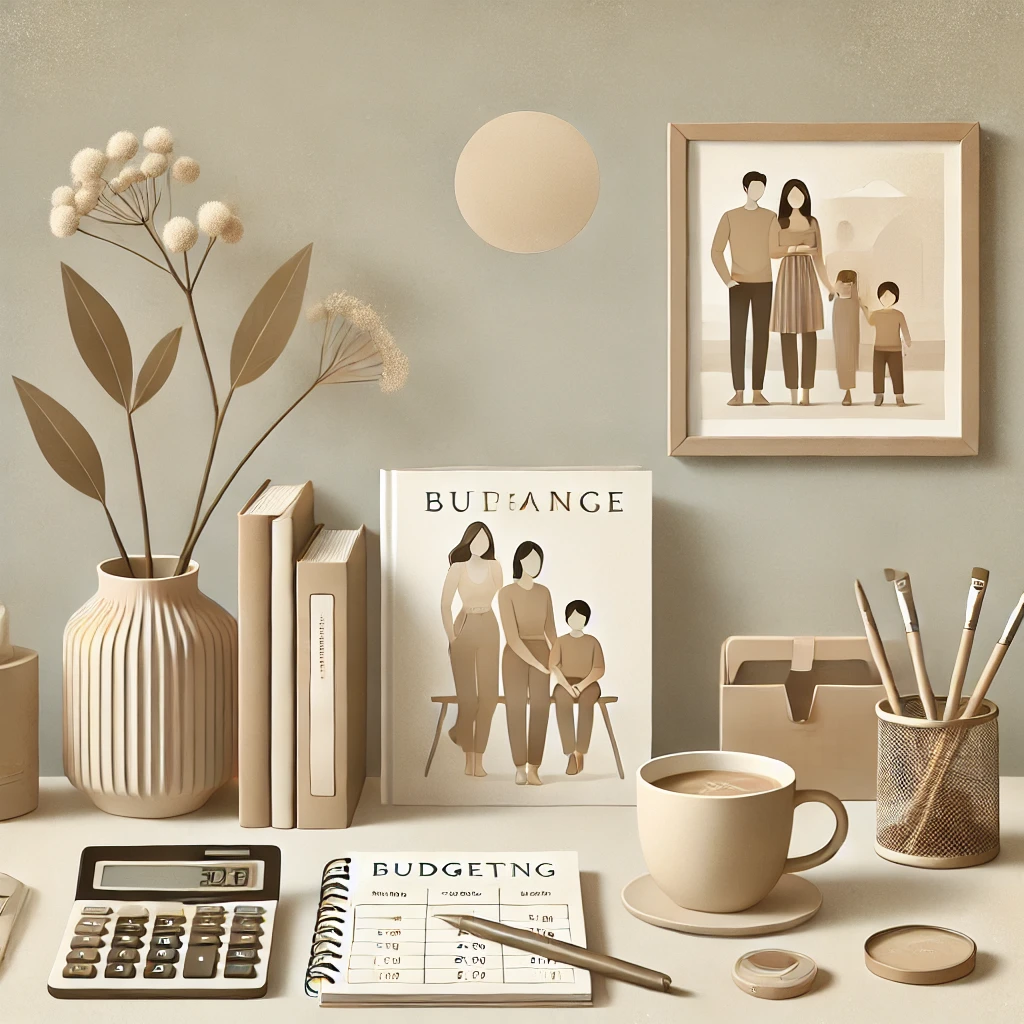

Budgeting tips for beginners: Master Your Finances in 5 Easy Steps

Navigating the world of family finances can feel overwhelming, especially for busy moms managing a household. Whether you’re saving for your child’s college fund or planning a much-needed vacation, having a budget is key to achieving your financial goals. In this guide, we’ll cover five essential tips for creating and sticking to a budget, ensuring your family’s financial health.

1. Assess Your Income and Expenses

The first step in budgeting is knowing exactly how much money is coming in and going out.

  • Track your income: Include all sources, such as your salary, side hustles, or partner’s income.
  • List your expenses: Separate them into fixed (rent, insurance) and variable (groceries, entertainment).

Pro Tip: Use budgeting apps like Mint or You Need A Budget (YNAB) to keep track of your spending automatically.

2. Set Clear Financial Goals

What are you saving for? Goals give your budget a purpose and make it easier to stick to.

  • Short-term: Pay off credit card debt or save for holiday gifts.
  • Long-term: Build an emergency fund or invest for retirement.

💡 Need help with your financial habits? Check out our article on creating good habits, to achieve your financial goals.

3. Use the 50/30/20 Rule

This popular budgeting method is simple yet effective:

  • 50% for needs: Rent, utilities, groceries.
  • 30% for wants: Dining out, hobbies, subscriptions.
  • 20% for savings or debt repayment: Build your emergency fund or pay off high-interest loans.

Adjust the percentages to fit your family’s unique financial situation.

4. Plan for Unexpected Expenses

Life happens, and unexpected expenses can derail your budget.

  • Emergency fund: Aim to save 3-6 months’ worth of expenses.
  • Sinking funds: Save small amounts each month for predictable costs like holiday shopping or car maintenance.

For tips on differentiating between good and bad debt, read this insightful article on debt management.

Budgeting tips for beginners

5. Review and Adjust Regularly

Your budget isn’t set in stone—it’s a living document. Revisit it monthly to:

  • Track your progress.
  • Adjust for changes in income or expenses.
  • Celebrate small victories, like paying off a debt or reaching a savings milestone.

Budgeting may seem daunting at first, but it’s the foundation for financial freedom. By tracking your spending, setting clear goals, and planning for the unexpected, you can create a budget that works for your family and your dreams.

Looking for more ways to improve your financial wellness? Explore the empowering resources at Dear Self for moms navigating self-care, finances, and beyond.

Start today—your financial future is waiting!

5 Tips for Postpartum Wellness

Becoming a mom is a life-changing experience, and while it brings immense joy, it also comes with challenges. Postpartum wellness isn’t just about bouncing back physically—it’s about nurturing your mind, body, and spirit during this transformative phase. These five tips for postpartum wellness will guide you toward a healthier, happier postpartum journey.

1. Prioritize Rest and Recovery

Your body has undergone tremendous changes during pregnancy and childbirth. Rest is essential for healing and replenishment. Sleep when your baby sleeps, and don’t hesitate to ask for help from your partner, family, or friends. Remember, rest is just as vital as activity in your recovery.

Pro Tip: Create a calming sleep environment by keeping your bedroom dark, quiet, and cool. Even short naps can rejuvenate your body and mind.

2. Nourish Your Body with Balanced Nutrition

Fueling your body with wholesome, nutrient-rich foods can support recovery, milk production (if breastfeeding), and energy levels. Focus on lean proteins, healthy fats, whole grains, and plenty of fruits and vegetables.

Quick Meal Ideas:

  • Oatmeal with almond butter and bananas
  • Grilled chicken salad with avocado
  • Greek yogurt parfait with berries and nuts

Hydration is equally important. Aim for at least eight glasses of water daily, and consider adding herbal teas that support postpartum recovery.

3. Move Your Body Gently

Physical activity can boost your mood, improve circulation, and help your body regain strength. Start with gentle exercises like walking, stretching, or yoga. Once cleared by your doctor, consider incorporating light strength training to rebuild core and pelvic floor muscles. Here you can see other benefits of working out.

Bonus: Baby-and-me workouts are a fantastic way to bond with your little one while getting active.

4. Take Care of Your Mental Health

Postpartum emotions can be overwhelming. It’s normal to feel a mix of joy, anxiety, and fatigue. However, if you’re experiencing prolonged sadness, irritability, or disinterest in activities, reach out to a healthcare provider—postpartum depression is common and treatable.

Self-Care Tips:

  • Meditate for 5–10 minutes daily to reduce stress.
  • Journal your thoughts and feelings to gain perspective.
  • Connect with other moms through support groups or online communities.

5. Build Your Support Network

Navigating motherhood is easier with a supportive circle. Rely on your partner, family, and friends to share responsibilities, offer encouragement, and listen. Consider joining postpartum groups or attending classes to meet other moms going through similar experiences.

Pro Tip: Don’t hesitate to delegate tasks. It takes a village to raise a child—and to support a mom.

Mom taking time for herself while caring for baby. Tips for postpartum wellness.

Final Thoughts

Postpartum wellness is about more than physical recovery; it’s about embracing this new phase of life with kindness and self-compassion. Listen to your body, honor your emotions, and seek support when needed. By prioritizing your well-being, you’ll be better equipped to care for your baby and enjoy the journey of motherhood.

Want to learn more about postpartum care? Check out this guide for additional tips on navigating the fourth trimester!

Mom Myths Debunked: Separating Fact from Fiction

When it comes to motherhood, the abundance of “Shoulds” and “must-dos” can feel overwhelming. Every mom’s journey is unique, but there are some pervasive myths that can create unnecessary pressure and stress. Let’s get this mom myths debunked so you can embrace this season with confidence.

Myth 1: “Good Moms Don’t Need a Break”

Many moms feel guilty for wanting time to themselves, as though self-care somehow means they aren’t dedicated enough to their families. The truth is, all moms need time to recharge. A well-rested, rejuvenated mom is better equipped to be present, patient, and nurturing with her family.

  • Self-Care Tip: Make self-care part of your daily routine, even if it’s just 10 minutes. A quiet coffee, a walk, or some journaling can make a world of difference.

Myth 2: “Breastfeeding Is the Only Healthy Option”

Breastfeeding can be wonderful for both mom and baby, but it’s not the only way to nourish your child. Whether by choice or circumstance, some moms choose formula, and that’s perfectly fine. Ultimately, what matters is that your baby is well-fed, healthy, and loved.

  • Fact Check: According to pediatric guidelines, formula is a safe, nutritious option for babies, and many happy, healthy adults were formula-fed! You can check out a comparison between the two on THIS article.

Myth 3: “A Clean House Is a Happy House”

The pressure to keep a spotless home while raising kids can be overwhelming. The reality is that a little mess is normal, especially in a household with young children. Mess doesn’t equate to a lack of care; it just means life is happening.

  • Reframe: Instead of focusing on perfection, prioritize moments with your family. Kids rarely remember a spotless home but will remember quality time spent together.

Myth 4: “Your Life Should Revolve Around Your Kids”

While our children are a huge part of our lives, mothers are individuals with their own dreams, hobbies, and ambitions. You don’t have to abandon your personal identity to be a good mom. Showing your kids that you have interests and aspirations outside of parenthood can be a positive example for them, teaching them to value their own identities.

  • Encouragement: Take time to pursue what you love—whether it’s a side project, a fitness routine, or learning something new. You’re not only a mom; you’re also a person who deserves fulfillment. You can read a little more on this on my Article “Putting yourself first Postpartum”.
Its a mom thinking about the myths that other people tell her are the only option.

Myth 5: “You’ll Naturally Know How to Be a Mom”

Motherhood comes with a steep learning curve, and it’s completely normal to feel unsure or overwhelmed, especially in the early days. It’s okay to ask for help, read parenting books, or even consult with other moms. No one instinctively knows everything, and parenting is a skill that grows over time.

  • Reality Check: Just like any skill, parenting requires practice, patience, and continuous learning. Trust that with time, you’ll find what works best for you and your family.

Myth 6: “Good Moms Don’t Get Overwhelmed”

The notion that good moms have it all together 24/7 is unrealistic. Everyone has challenging days. Feeling overwhelmed doesn’t mean you’re failing as a parent—it’s simply a sign that you’re doing your best under demanding circumstances.

  • Helpful Insight: Reach out to your support system, whether that’s family, friends, or an online community of moms. Having someone to talk to can make all the difference.

Embrace the Truth: There’s No “Perfect” Way to Be a Mom

The journey of motherhood is full of ups, downs, and unique challenges, and every mom’s experience is her own. Remember, the myths above are just that—myths. Embrace your journey, trust your instincts, and know that you’re doing an amazing job.

If you’re a mom reading this, you’re likely familiar with these myths and maybe even believed a few along the way. Give yourself the grace to let go of expectations and allow your motherhood journey to look the way you want it to. Remember, there’s no single formula for being a “good mom.” It’s all about being the best mom you can be—one who is present, caring, and confident in her own path.

Trusting and Embracing Your Postpartum Body with Patience and Self-Love

The Beauty of a Body that Gave Life

Hey, mama! If you’re reading this, you’re likely navigating one of the most transformative times of your life—those beautiful, challenging, and sometimes frustrating days following childbirth. Maybe you are struggling on trusting your postpartum body. But remember your body has done something amazing. It has nurtured, grown, and brought a new life into the world. And now, as you hold your precious little one, you might feel overwhelmed with the changes in your own body.

Learning to love and trust your postpartum body takes patience, especially when we’re bombarded with images of “snap-back” transformations that make the process look easy. But the reality is, recovery is a unique journey that deserves time, kindness, and respect. Let’s dive into why trusting the process is not just okay, but absolutely essential for your well-being and self-love.

1. Understanding the Stages of Postpartum Recovery

Your body’s recovery timeline doesn’t come with a one-size-fits-all approach. From immediate healing after delivery to the gradual return of strength and balance, postpartum recovery is a layered process that varies for every mom. Immediately after birth, your body is working overtime to heal, recalibrate, and adjust to the new demands of motherhood. In the months that follow, organs realign, muscles rebuild, and hormones stabilize. This incredible transformation is ongoing, and each stage serves its own purpose.

Remember: Just like pregnancy took nine months, your body’s recovery may take just as long—or even longer. And that’s perfectly okay.

2. The Power of Gentle Progress and Patience

In the early stages, you may feel tempted to “bounce back” to your pre-pregnancy self. But trying to rush this recovery can actually slow down your body’s ability to heal. Small, gentle movements are often more beneficial than intense workouts, especially in the first few months. Embrace this time as an opportunity to strengthen from the inside out—focusing on breathing, stretching, and low-impact movements that rebuild core stability.

If you’re feeling pressured to “do it all,” remind yourself: This journey is a marathon, not a sprint. Each gentle stretch, each walk with your baby, and each moment of rest is a step forward in your recovery.

3. Mind Over Body: Embracing Mental and Emotional Recovery

Postpartum recovery is more than physical. Emotionally, this is a time to reflect, process, and nurture yourself, too. With hormones fluctuating, sleep often elusive, and the new responsibilities of motherhood, your mental health deserves care and attention. Set boundaries to protect your energy, ask for help when you need it, and give yourself permission to take breaks.

Moms who prioritize mental recovery often find they can approach physical healing with a renewed sense of purpose and patience. Your mental and emotional health is just as important as the physical aspects of recovery. Trusting the postpartum body is key.

 Embracing the Postpartum body days after delivery

4. Trust the Process and Love the Skin You’re In

One of the most powerful lessons postpartum recovery can teach is self-compassion. Your body may look and feel different now, but that doesn’t make it any less beautiful or worthy of love. Every stretch mark, scar, and curve tells a story of strength, resilience, and the miracle of life. Trust the process, and remember that no stage of your recovery is permanent.

Set goals that celebrate your progress instead of focusing on comparison or unrealistic ideals. For instance, aim to feel more energized, to walk a little further, or to find joy in movements you once loved. These goals celebrate the journey rather than an endpoint. Its all about trusting the postpartum body.

Mama Reminder: You’re not alone in this. Lean on other moms who’ve been there, and share your wins and struggles. The journey is easier when you’re supported.

5. Postpartum Wellness: Fueling Your Body from Within

Recovery is deeply influenced by the way we nourish our bodies. Focus on whole foods rich in vitamins, protein, and healthy fats to support healing and energy. Hydration is equally important, especially if you’re breastfeeding. Simple self-care practices like mindful eating, drinking enough water, and making time for rest can significantly impact how you feel each day.

If possible, lean into a support network—whether that’s a partner, friend, or family member who can help prep meals or watch the baby while you rest. Remember, fueling your body with what it needs is a form of self-love.

6. A Gentle Reminder: Comparison is the Thief of Joy

It’s natural to look at other moms and wonder if you’re “behind.” But comparing your journey to someone else’s can take away from the beauty of your own. Every body, every birth story, and every mom’s journey is different. What matters most is that you’re moving forward, step by step, at your own pace.

Instead of focusing on others, try documenting your own progress—snap photos, jot down milestones, and celebrate each small victory, and make sure you are trusting the postpartum body. These reflections serve as a reminder of how far you’ve come.

Trusting Yourself and the Journey

Postpartum recovery is a journey of resilience, growth, and discovery. Trusting the process means honoring each stage, practicing patience, and acknowledging the strength that got you here. You’re doing an amazing job, mama. The best thing you can do for yourself and your family is to approach this journey with love, gratitude, and respect.

Embrace the journey with the same kindness you’d offer a friend, and remember—you are stronger than you realize, and your body is a testament to that.

Join the Conversation: How are you finding ways to trust the process? Share in the comments what’s helping you love yourself a little more each day, and let’s support each other in this incredible journey. 💖