

Mom Hobbies That Heal: Reclaiming Your Spark to keep Your Mommy Magic

The Invisible Struggle of Motherhood

Hey there, amazing mama! Let’s talk about something that’s often overlooked—mom hobbies. Motherhood is beautiful, messy, and sometimes completely overwhelming. After having kids, it’s so easy to lose yourself in the whirlwind of diaper changes, endless laundry, and constant caregiving. But here’s the truth – your mental health matters just as much as your family’s well-being.

Many moms feel guilty about taking time for themselves, but self-care isn’t selfish – it’s essential. When you’re emotionally recharged and fulfilled through things like mom hobbies, you become a better parent, partner, and most importantly, a happier version of yourself.

Mom Hobbies – Your Sanity-Saving Grace

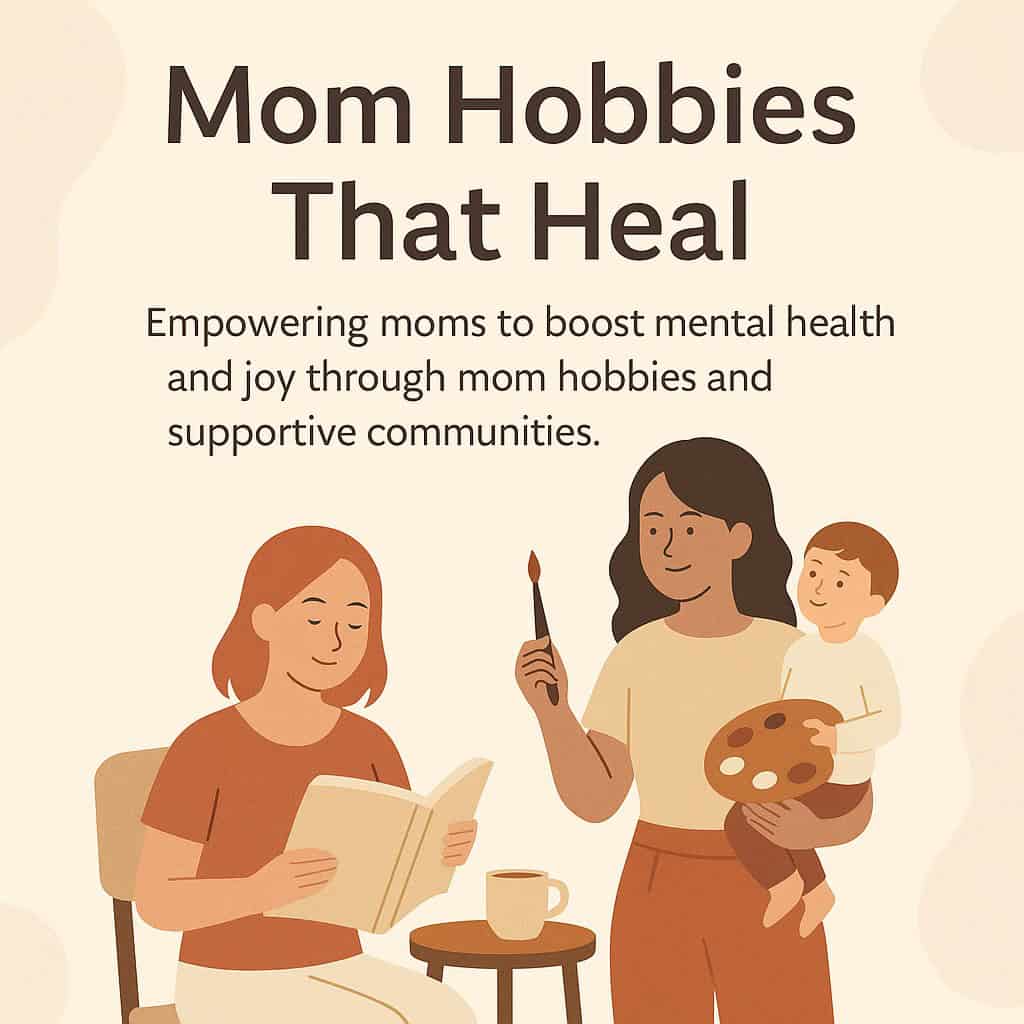
Finding personal interests doesn’t mean abandoning your family. Instead, think of mom hobbies as your secret weapon for maintaining your identity. Whether it’s painting during naptime, joining a book club, or taking a weekly yoga class, these activities are like oxygen for your soul.

Consider exploring hobbies that can include or exclude your children. Some days you’ll want connection, other days you’ll crave solo time – and both are perfectly okay. The key is variety and consistency in nurturing your personal passions.
Building Your Mommy Support Network

Connecting with other moms can be a game-changer for your mental health. Local mom groups, online communities, and parent meet-ups provide incredible support and understanding. These connections remind you that you’re not alone in your experiences.

Pro tip: Check out Facebook for local meetup groups and virtual support networks. There are resources that can help you find your tribe and create meaningful friendships with other parents who truly get your journey.

Solo Adventures and Kid-Free Moments

Sometimes, the most rejuvenating experiences happen when you’re completely alone. Schedule regular kid-free activities that bring you joy. This might mean a monthly spa day, a photography workshop, or simply reading at a quiet café.

We’ve created a special resource just for moms seeking balance. Visit this  article to check out of the importance of self-care after becoming moms.

Practical Self-Care Strategies

Let’s get practical about maintaining your mental health. Start small – 15-minute meditation sessions, quick workout videos, journaling, or learning a new skill online. The goal isn’t perfection but consistent, gentle self-nurturing.

Remember, mom hobbies can be anything that makes you feel alive again. Some moms recharge through creative pursuits, while others find peace in physical activities or learning. Experiment and be kind to yourself in the process.

Embracing Imperfect Progress

Motherhood isn’t about doing everything perfectly; it’s about showing up, loving deeply, and taking care of yourself along the way. Your children will learn more from watching you prioritize your well-being than from any perceived notion of perfect parenting.

Give yourself grace. Some days will feel magical, others overwhelming. But by investing in your mental health and finding the right mom hobbies, you’re modeling resilience, self-love, and personal growth for your little ones.

You’re not just a mom – you’re a superhero, artist, friend, and incredible human navigating an amazing, complex journey. Your mental health is your greatest asset. Embrace it, protect it, and watch how it transforms your entire family’s dynamic.

Daily Schedule Magic: Crafting the Ultimate Family Rhythm

The Daily Schedule: Your Family’s Secret Weapon of Happiness

Imagine a home where chaos transforms into harmony, where children dance to the rhythm of predictability, and where marriages bloom like perfectly tended gardens. Welcome to the magical world of creating a strategic daily schedule that becomes the heartbeat of family connection and joy!

Morning Magic: Setting the Tone for Togetherness

Mornings are the golden gateway to family harmony. By implementing a thoughtful daily schedule, you’re not just organizing time – you’re crafting experiences. Begin with a family huddle where everyone shares their day’s excitement. Parents, make eye contact, exchange quick kisses, and demonstrate united front communication.

Pro tip: Prepare the night before. Lay out clothes, pack lunches, and create a morning playlist that pumps up everyone’s energy. Your daily game plan isn’t just a timetable; it’s a love letter to your family’s potential.

Divide and Conquer: Partnership in Parenting

A successful daily schedule requires teamwork. Alternate morning and evening responsibilities between partners. Maybe one handles breakfast while the other manages school drop-offs. This shared responsibility prevents resentment and demonstrates collaborative parenting.

By intentionally designing your daily schedule, you’re sending powerful messages: “We’re in this together” and “Our family functions as a unified team.” Children observe and internalize these beautiful interactions, learning relationship skills through your example.

Flexible Framework: The Breathable Routine

Rigidity kills joy, but structure creates security. Design a daily schedule that allows spontaneity within predictable boundaries. Allocate specific family times – perhaps a sacred dinner hour or weekend adventure block – where technology disappears and connection reigns supreme.

Remember, a daily schedule isn’t about perfection but intention. Some days will flow seamlessly; others might feel like controlled chaos. Embrace both with grace and humor.

following the daily routine

Emotional Investments: Beyond Logistics

Your Family Rhythm should nurture emotional connections. Include moments of genuine check-ins: How are you feeling? What made you smile today? These small interactions build trust and demonstrate that your family values emotional intelligence.

Implement a “feelings check” during dinner or bedtime routines. This practice transforms your daily schedule from a mere timetable into a profound communication platform.

In my article The magic of comunication in relationships, I talk about the importance of having this connection within our family.

Evening Enchantment: Closing the Day with Love

Wind down with intentional evening rituals. Perhaps it’s storytime, gentle back rubs, or sharing day highlights. Your daily final act should whisper love, safety, and belonging.

Couples, use this time to reconnect. A quick massage, a shared cup of tea, or simply holding hands can reignite your partnership amidst parental responsibilities.

Your Family’s Unique Symphony

Creating a routine isn’t about rigid rules but crafting a personalized family symphony. Every household’s melody will sound different – and that’s breathtakingly beautiful.

Embrace imperfection. Celebrate small wins. Adjust constantly. Your Day-to-Day Agenda is a living, breathing entity that grows with your family’s evolving needs.

Parenting Tips: The Ultimate Guide to Parenting Wins and Fails

Parenting is a journey filled with triumphs and challenges. As parents, we often celebrate our wins—those moments when we feel like we’ve nailed it. However, the fails are just as important. Understanding both ends of the spectrum can provide invaluable parenting tips. In this article, we will explore various examples of parenting wins and fails, dissect why they occurred, and offer practical advice for navigating this rewarding yet complex journey.

The Sweet Taste of Success: Parenting Wins

Every parent has those moments that make them feel truly accomplished. One common win is effectively getting children to complete their homework without a struggle. For many, this means establishing a routine, creating a conducive workspace, and utilizing reward systems. When kids tackle their studies with minimal fuss, it often leads to greater independence and self-motivation.

On another front, celebrating small victories in food choices is also a win. For example, introducing vegetables into your child’s diet can be challenging, but finding creative ways to present them—such as colorful smoothies or fun shapes—can lead to encouraging results. The key here is to experiment and remain patient. Every successful meal can help build a better relationship with food and instill healthy habits.

Learning from the Stumbles: Parenting Fails

While we cherish our wins, it’s equally important to acknowledge our parenting fails. A common scenario involves miscommunication, which often escalates into arguments between parents and children. For instance, a parent may assume their child understands the consequences of a minor action, only for the situation to spiral out of control when the child fails to grasp the seriousness. Such fails provide an opportunity for growth; taking a moment to reassess communication can transform future interactions. For more information of the magic of communication read this article.

Another common fail relates to the use of technology. Parents often struggle with setting boundaries around screen time. One example might be allowing too much unrestricted access, leading to conflict or avoidance of outdoor activities. This fails exemplify the necessity for structure and the importance of establishing clear guidelines that kids can understand and follow. After all, striking the right balance with digital entertainment is essential for healthy development.

Bridging the Gaps: Parenting Tips Derived from Fails

Reflecting on these moments of failure can lead to powerful insights. Incorporating those insights into parenting strategies is key. For example, if communication issues have led to conflicts, consider incorporating regular family meetings. Such gatherings encourage open dialogue and make everyone feel heard. Transparency can often prevent minor issues from becoming major confrontations.

Similarly, when addressing technology use, parents can implement a family tech agreement. This contract spells out rules regarding device usage, ensuring everyone in the household agrees on expectations. By taking time to discuss these guidelines, each family member can feel valued and respected, ultimately building a mutual understanding of boundaries.

The Balancing Act: Wins and Fails Intertwined

In parenting, wins and fails often coexist. A fantastic example of this is during the potty-training phase. Some children may grasp the concept quickly, while others may take longer to master it. Celebrating small achievements, like transitioning from diapers to underwear, can be uplifting; however, setbacks like accidents can lead to frustration. Embracing patience is crucial. Frequent encouragement and avoiding punishment during missed opportunities can create a more positive learning environment.

Moreover, remember that parenting is not a one-size-fits-all experience. Each child is unique, which means that the same strategy might yield different outcomes. Take time to assess and adapt your approach according to your child’s specific needs. Understanding that trial-and-error is part of the process can alleviate the pressure associated with parenting.

Resources for Parents: Embracing the Community

In the quest for effective parenting tips, numerous resources are available for support. Websites like this offer invaluable advice, tips, and community forums where parents can share their experiences. Engaging with others who face similar challenges can provide comfort and a wealth of knowledge when navigating parenting’s highs and lows.

Parenting wins and fails

Celebrate and Learn

In conclusion, parenting is an intricate blend of wins and fails. Each moment—whether triumphant or challenging—provides a chance to learn and grow as a caregiver. Keep in mind that you aren’t alone in this journey. Embrace the community, utilize resources available, and most importantly, celebrate each win while learning from every fail.

Remember, achieving balance while raising children is the ultimate goal. By taking the time to reflect on what works and what doesn’t, you can refine your parenting approach, paving the way for a healthier, happier family dynamic.

Managing Postpartum Anxiety: A Survival Guide to Navigating the Waves of Motherhood

Hey there, fellow mama! If you’ve just embarked on the beautiful yet tumultuous journey of motherhood, let me tell you—you’re not alone. Managing postpartum anxiety can feel overwhelming, especially when everyone expects you to be on cloud nine after welcoming your little one. It’s completely normal to experience a range of emotions during this time, and openly discussing postpartum anxiety can really help lift the fog.

As a new mom myself, I’ve faced the peaks and valleys of post-baby life. There were days when the joy of a tiny hand closing around my finger felt simply magical, while other days, the anxiety crept in like an uninvited guest. Together, let’s explore how we can navigate this challenging yet rewarding phase.

Understanding Postpartum Anxiety

For anyone who might not know, postpartum anxiety refers to the intense feelings of worry, fear, or dread that can happen after childbirth. You may find yourself anxious about everything—your baby’s health, your ability to be a good mom, or even the laundry piling up. When you’re managing postpartum anxiety, it’s essential to understand that these feelings are valid and common among us moms.

You might feel like there’s so much to consider that separating worry from reality becomes daunting. But, I promise you, naming these feelings is the first step towards managing them effectively. It’s okay to admit, “I’m not feeling okay,” and seek active strategies to reclaim your peace of mind.

Acknowledging Your Feelings

As moms, we often feel pressure to put on a brave face. But trust me when I say that acknowledging your anxiety is an act of strength, not weakness. It is important to carve out time for yourself—even if it’s just for a few quiet moments with a cup of tea. Listen to your mind and body. Take a deep breath, and remind yourself that you’re taking a crucial step in managing postpartum anxiety.

Journaling can be an excellent way to process those swirling emotions. Writing about your feelings not only provides an outlet but can also help you identify patterns and triggers. Utilize prompts like, “What challenges did I face today, and how did I respond?” or “What moments brought me joy?” Reflecting on your day can streamline your coping strategies.

Reaching Out for Support

You don’t have to go through this alone! Surrounding yourself with a solid support network is invaluable when managing postpartum anxiety. Reach out to fellow moms, friends, and family. Often, simply sharing your experiences can help you feel lighter and more connected. You’ll likely learn that many of them have walked similar paths—it’s heartening to know you’re not isolated in your struggles.

Online communities can also be a lifeline. Consider connecting with supportive groups that focus on mental health and motherhood. To better understand your experience, this article about postpartum symptoms can provide clarity and connection. Compassionate listening, shared stories, and resources make a huge difference!

Establishing Daily Routines

Creating stability through daily routines can significantly impact your mental health. A consistent routine will help you feel more grounded as you navigate the whirlwind of postpartum life. Setting a schedule for waking up, feeding, and sleeping can alleviate some anxiety.

Incorporate small activities that bring you joy, whether it’s a brisk walk with your baby in the stroller or a cozy bedtime relaxing ritual. Remember, managing postpartum anxiety is all about those baby steps! Every little effort counts. So, don’t hesitate to repeat comforting affirmations like, “I am doing my best, and that is enough.”

Balancing Self-Care and Baby Care

You are your baby’s biggest advocate, but that doesn’t mean neglecting yourself. Invest time in self-care activities that replenish your spirit, whether it’s enjoying a bubble bath, diving into a favorite hobby, or reading a good book. You deserve moments that bring you happiness!

Reflect on the things that used to make you smile before becoming a mom. Challenge yourself to sprinkle those activities throughout your week. Self-care isn’t selfish; it’s essential for managing postpartum anxiety. For more guidance on nurturing your mental health, check out this insightful piece on Rediscovering Yourself Postpartum.

A mom that managed her postpartum anxiety and is calm with her baby.

Celebrating Small Wins

Finally, let’s not forget to celebrate even the tiniest victories! Did you manage to take a shower today? Did your baby nap long enough for you to catch a few minutes of relaxation? Each small win is a step toward reclaiming your mental space and happiness.

Developing a habit of gratitude can transform your perspective. Consider writing down three things you’re proud of each day or expressing thankfulness for the little things, like a quiet moment of peace. It’s these threads of joy that can help you through the ebbs and flows of managing postpartum anxiety.

You’ve got this! Lean on your community, honor your feelings, and treat yourself with the love you so generously give to your little one. Remember, caring for yourself is vital on this adventure of motherhood. Let’s continually support one another as we journey through this phase together!

Rediscovering Yourself: Embracing Mental Health Postpartum

The Rollercoaster of Emotions

Hey there, mama! Isn’t it wild how becoming a mom can change everything? You’re suddenly juggling sleepless nights, diaper changes, and a tiny little human who looks to you for everything. It’s exhilarating, but let’s be honest: it can also be overwhelming. During the postpartum period, many of us face a whirlwind of emotions that can sometimes leave our mental health feeling a little fragile.

It’s important, though, to know you are not alone in this. Many of us struggle with mental health postpartum, and that’s completely normal. Embracing this new identity while grappling with those fluffy, rosy expectations can feel daunting. But what if I told you that rediscovering your self-confidence can help you navigate through these turbulent waters? As we journey together through this blog, I hope to share valuable insights and tips on how we can reclaim our self-worth and boost our well-being.

The Shift in Identity: From Woman to Mother

Motherhood is a huge shift in identity. One day, you might be a career-driven woman, and the next, you’re changing a hundred diapers a week. It’s easy to lose sight of who you are outside of being a mother. As we navigate this new role, many of us can experience feelings of self-doubt, especially when it comes to our mental health postpartum.

Take a step back and think about the person you were before the baby arrived. What were your passions and interests? How did you used to fill your time? It’s vital to reconnect with those parts of yourself. Maybe it’s reading, exercising, or pursuing a hobby that made you feel alive. You have the power to hold onto those threads of your identity while embracing this new chapter.

a mom that rediscovered herself and took care of her mental health postpartum.

The Power of Self-Compassion

Let’s talk about the magic of self-love. The first step in rediscovering self-confidence after having a baby is allowing ourselves to practice self-compassion. It can be so tempting to criticize our bodies and our choices, but that only exacerbates our mental health postpartum. Instead, try to shift your perspective.

Instead of thinking, “I can’t believe I do not look the same,” consider celebrating your body for the incredible work it has done. After all, it created life! Understand that it’s okay to feel overwhelmed or uncertain. Reach out to another mom, like me or your friends, and share your stories. Sometimes, simply hearing someone else relate can make a world of difference.

For more inspiration on self-love, check out this article on the importance of self-love that I found uplifting.

Practical Steps to Boost Your Confidence

So, where do we go from here? Feeling good about ourselves requires active steps towards nurturing that self-confidence. Start small! Consider dedicating just 10 minutes a day to do something for yourself, whether that’s enjoying a quiet cup of coffee, indulging in a skincare routine, or reading a book. Prioritize those little moments and expand them as time allows.

Additionally, nourishing your mind and body plays a significant role in your journey. Focus on wholesome foods, gentle exercise, and plenty of hydration. Here you can find some other ways to improve mental health.Remember, taking care of yourself is not a luxury—it’s a necessity. You’ll discover that as your physical health improves, so does your mental health postpartum.

Celebrating Progress, Not Perfection

It’s easy to get caught up in chasing an idealized version of motherhood. But I want you to remember this: progress is what counts, not perfection. Celebrate each small victory, whether it’s getting a full night of sleep or simply enjoying a walk outside. Keeping track of these moments can be transformative, helping you focus on what you’ve accomplished rather than the shortcomings.

Connecting with other moms, sharing your experiences, and cheering each other on creates a supportive network that encourages self-confidence and mental well-being. Reach out to friends, join mom groups, or even start a chat in an online community. There’s strength in numbers, and together, we can lift each other up.

You’re Not Alone

As we wrap this up, I want you to remember that your journey is uniquely yours. The challenges you face regarding mental health postpartum are valid and shared by many. Embrace the unfolding journey of rediscovering self-confidence. Take it one day at a time, find joy in the little things, and celebrate who you are.

You are doing an amazing job, Mama, even when it doesn’t feel that way. Don’t hesitate to seek support from friends or professionals if you feel overwhelmed. Together, we can encourage a healthy conversation about mental health postpartum and reclaim our confidence in this beautiful motherhood journey!

How to Start Journaling: A Simple Guide for Moms

Journaling can be a transformative habit, especially for busy moms looking for clarity, stress relief, and a way to capture life’s special moments. If you’ve ever wondered how to start journaling, this guide will help you embrace the practice and make it part of your daily life.

Why Should Moms Start Journaling?

Life as a mom can be hectic, with constant demands on your time and energy. Journaling provides a quiet space to reflect, express emotions, and even problem-solve. Research shows that journaling can reduce stress, improve mood, and enhance overall well-being. It’s not just about writing—it’s about giving yourself a moment to breathe and reconnect with your thoughts.

How to Start Journaling: Tips for Beginners

1. Set a Purpose
Decide why you want to journal. Are you hoping to track your emotions, document memories, or plan your days? Knowing your purpose will guide your journaling practice.

2. Pick Your Tools
Choose a notebook or digital app that feels right for you. Whether it’s a simple spiral notebook or a fancy journal, what matters most is consistency.

3. Start Small
Begin with 5–10 minutes a day. Write about whatever comes to mind—no rules, no judgment. If you’re unsure what to write, try prompts like:

  • What made me smile today?
  • What challenges did I face, and how did I handle them?
  • What am I grateful for right now?

4. Incorporate It Into Your Routine
Pair journaling with an existing habit, like having your morning coffee or winding down before bed. Making it part of your routine ensures consistency.

5. Experiment with Styles
Explore different journaling techniques such as:

  • Gratitude Journaling: Write three things you’re thankful for daily.
  • Bullet Journaling: Combine planning, task management, and reflection.
  • Stream-of-Consciousness: Write freely without worrying about structure or grammar.

Benefits of Journaling for Moms

Starting a journaling habit can:

  • Help you process emotions and manage stress.
  • Improve your ability to prioritize and plan.
  • Capture meaningful memories to reflect on later.

For more tips on prioritizing self-care, check out our article on The Importance of Self-Love.

Resources to Get You Started

If you need inspiration, there are many free resources and prompts available online. In this article on Psychology Today you can go into more detail of some of the benefits for journaling.

A notebook to start journaling

Learning how to start journaling is a simple yet impactful way to nurture your emotional health and preserve life’s precious moments. Whether you’re capturing memories, releasing stress, or reflecting on your day, journaling can become a meaningful part of your self-care routine.

Start your journaling journey today—you’ll thank yourself tomorrow.

Building Mom Friendships:

A Guide to Finding Your Village

Motherhood is a beautiful, transformative journey, but it can sometimes feel isolating. Whether you’re a new mom or further along in your parenting journey, building mom friendships can provide the support, understanding, and laughter that every mom needs. Let’s explore the importance of these relationships and how to cultivate them in your life.

Why Building Mom Friendships Matters

Motherhood brings joy and challenges, and having other moms in your corner can make all the difference. Mom friends understand what you’re going through, provide helpful advice, and share in the ups and downs of parenting. Research even shows that social connections improve mental health and reduce stress.

Building mom friendships also gives your children opportunities to make friends, creating a supportive network for the whole family.

5 Tips for Building Mom Friendships

1. Attend Mom Groups and Community Events

Many communities offer mom-focused activities, such as playdates, storytime at the library, or fitness classes with childcare. These events are excellent opportunities to meet other moms who share similar interests.

2. Get Involved at Your Child’s School or Activities

Volunteering for classroom events or joining a parent committee can introduce you to like-minded moms. It’s a natural way to form connections while contributing to your child’s environment.

3. Leverage Social Media

Online mom groups on platforms like Facebook or apps like Peanut make connecting easier than ever. Search for local mom groups or those centered around specific interests, such as working moms, stay-at-home moms, or first-time moms.

4. Be Brave and Start Conversations

Sometimes, building mom friendships starts with a simple “Hi.” Strike up conversations at the park, during drop-offs, or in waiting rooms. You never know which casual interaction might lead to a meaningful friendship.

5. Follow Up and Stay Connected

After meeting a potential mom friend, follow up! Exchange contact information and plan a coffee date or playdate. Consistent effort is key to strengthening these new relationships.

Navigating the Challenges of Building Mom Friendships

It’s natural to feel nervous about putting yourself out there, but remember that many moms are in the same boat. Keep in mind that building mom friendships takes time and patience. Focus on quality over quantity—one strong friendship can make a world of difference.

building mom friendships

A Note on Self-Care

While forming friendships, don’t forget to prioritize self-care. Ensuring you’re emotionally and mentally supported makes you a better friend and mom. Check out this guide on Postpartum Wellness for more tips on self-care during your motherhood journey.

Building a Strong Support System

The journey to building mom friendships may take effort, but the rewards are worth it. These relationships provide encouragement, a sense of belonging, and even a bit of fun amidst the chaos of motherhood. Start small, be genuine, and watch your village grow.

Recommended Reading: For additional advice on how to make friends as a parent check THIS out.

Building mom friendships isn’t just about finding support—it’s about creating a shared journey filled with joy, growth, and connection. Take the first step today—you’ve got this, Mama!

5 Tips for Postpartum Wellness

Becoming a mom is a life-changing experience, and while it brings immense joy, it also comes with challenges. Postpartum wellness isn’t just about bouncing back physically—it’s about nurturing your mind, body, and spirit during this transformative phase. These five tips for postpartum wellness will guide you toward a healthier, happier postpartum journey.

1. Prioritize Rest and Recovery

Your body has undergone tremendous changes during pregnancy and childbirth. Rest is essential for healing and replenishment. Sleep when your baby sleeps, and don’t hesitate to ask for help from your partner, family, or friends. Remember, rest is just as vital as activity in your recovery.

Pro Tip: Create a calming sleep environment by keeping your bedroom dark, quiet, and cool. Even short naps can rejuvenate your body and mind.

2. Nourish Your Body with Balanced Nutrition

Fueling your body with wholesome, nutrient-rich foods can support recovery, milk production (if breastfeeding), and energy levels. Focus on lean proteins, healthy fats, whole grains, and plenty of fruits and vegetables.

Quick Meal Ideas:

  • Oatmeal with almond butter and bananas
  • Grilled chicken salad with avocado
  • Greek yogurt parfait with berries and nuts

Hydration is equally important. Aim for at least eight glasses of water daily, and consider adding herbal teas that support postpartum recovery.

3. Move Your Body Gently

Physical activity can boost your mood, improve circulation, and help your body regain strength. Start with gentle exercises like walking, stretching, or yoga. Once cleared by your doctor, consider incorporating light strength training to rebuild core and pelvic floor muscles. Here you can see other benefits of working out.

Bonus: Baby-and-me workouts are a fantastic way to bond with your little one while getting active.

4. Take Care of Your Mental Health

Postpartum emotions can be overwhelming. It’s normal to feel a mix of joy, anxiety, and fatigue. However, if you’re experiencing prolonged sadness, irritability, or disinterest in activities, reach out to a healthcare provider—postpartum depression is common and treatable.

Self-Care Tips:

  • Meditate for 5–10 minutes daily to reduce stress.
  • Journal your thoughts and feelings to gain perspective.
  • Connect with other moms through support groups or online communities.

5. Build Your Support Network

Navigating motherhood is easier with a supportive circle. Rely on your partner, family, and friends to share responsibilities, offer encouragement, and listen. Consider joining postpartum groups or attending classes to meet other moms going through similar experiences.

Pro Tip: Don’t hesitate to delegate tasks. It takes a village to raise a child—and to support a mom.

Mom taking time for herself while caring for baby. Tips for postpartum wellness.

Final Thoughts

Postpartum wellness is about more than physical recovery; it’s about embracing this new phase of life with kindness and self-compassion. Listen to your body, honor your emotions, and seek support when needed. By prioritizing your well-being, you’ll be better equipped to care for your baby and enjoy the journey of motherhood.

Want to learn more about postpartum care? Check out this guide for additional tips on navigating the fourth trimester!

Mom Myths Debunked: Separating Fact from Fiction

When it comes to motherhood, the abundance of “Shoulds” and “must-dos” can feel overwhelming. Every mom’s journey is unique, but there are some pervasive myths that can create unnecessary pressure and stress. Let’s get this mom myths debunked so you can embrace this season with confidence.

Myth 1: “Good Moms Don’t Need a Break”

Many moms feel guilty for wanting time to themselves, as though self-care somehow means they aren’t dedicated enough to their families. The truth is, all moms need time to recharge. A well-rested, rejuvenated mom is better equipped to be present, patient, and nurturing with her family.

  • Self-Care Tip: Make self-care part of your daily routine, even if it’s just 10 minutes. A quiet coffee, a walk, or some journaling can make a world of difference.

Myth 2: “Breastfeeding Is the Only Healthy Option”

Breastfeeding can be wonderful for both mom and baby, but it’s not the only way to nourish your child. Whether by choice or circumstance, some moms choose formula, and that’s perfectly fine. Ultimately, what matters is that your baby is well-fed, healthy, and loved.

  • Fact Check: According to pediatric guidelines, formula is a safe, nutritious option for babies, and many happy, healthy adults were formula-fed! You can check out a comparison between the two on THIS article.

Myth 3: “A Clean House Is a Happy House”

The pressure to keep a spotless home while raising kids can be overwhelming. The reality is that a little mess is normal, especially in a household with young children. Mess doesn’t equate to a lack of care; it just means life is happening.

  • Reframe: Instead of focusing on perfection, prioritize moments with your family. Kids rarely remember a spotless home but will remember quality time spent together.

Myth 4: “Your Life Should Revolve Around Your Kids”

While our children are a huge part of our lives, mothers are individuals with their own dreams, hobbies, and ambitions. You don’t have to abandon your personal identity to be a good mom. Showing your kids that you have interests and aspirations outside of parenthood can be a positive example for them, teaching them to value their own identities.

  • Encouragement: Take time to pursue what you love—whether it’s a side project, a fitness routine, or learning something new. You’re not only a mom; you’re also a person who deserves fulfillment. You can read a little more on this on my Article “Putting yourself first Postpartum”.
Its a mom thinking about the myths that other people tell her are the only option.

Myth 5: “You’ll Naturally Know How to Be a Mom”

Motherhood comes with a steep learning curve, and it’s completely normal to feel unsure or overwhelmed, especially in the early days. It’s okay to ask for help, read parenting books, or even consult with other moms. No one instinctively knows everything, and parenting is a skill that grows over time.

  • Reality Check: Just like any skill, parenting requires practice, patience, and continuous learning. Trust that with time, you’ll find what works best for you and your family.

Myth 6: “Good Moms Don’t Get Overwhelmed”

The notion that good moms have it all together 24/7 is unrealistic. Everyone has challenging days. Feeling overwhelmed doesn’t mean you’re failing as a parent—it’s simply a sign that you’re doing your best under demanding circumstances.

  • Helpful Insight: Reach out to your support system, whether that’s family, friends, or an online community of moms. Having someone to talk to can make all the difference.

Embrace the Truth: There’s No “Perfect” Way to Be a Mom

The journey of motherhood is full of ups, downs, and unique challenges, and every mom’s experience is her own. Remember, the myths above are just that—myths. Embrace your journey, trust your instincts, and know that you’re doing an amazing job.

If you’re a mom reading this, you’re likely familiar with these myths and maybe even believed a few along the way. Give yourself the grace to let go of expectations and allow your motherhood journey to look the way you want it to. Remember, there’s no single formula for being a “good mom.” It’s all about being the best mom you can be—one who is present, caring, and confident in her own path.

Trusting and Embracing Your Postpartum Body with Patience and Self-Love

The Beauty of a Body that Gave Life

Hey, mama! If you’re reading this, you’re likely navigating one of the most transformative times of your life—those beautiful, challenging, and sometimes frustrating days following childbirth. Maybe you are struggling on trusting your postpartum body. But remember your body has done something amazing. It has nurtured, grown, and brought a new life into the world. And now, as you hold your precious little one, you might feel overwhelmed with the changes in your own body.

Learning to love and trust your postpartum body takes patience, especially when we’re bombarded with images of “snap-back” transformations that make the process look easy. But the reality is, recovery is a unique journey that deserves time, kindness, and respect. Let’s dive into why trusting the process is not just okay, but absolutely essential for your well-being and self-love.

1. Understanding the Stages of Postpartum Recovery

Your body’s recovery timeline doesn’t come with a one-size-fits-all approach. From immediate healing after delivery to the gradual return of strength and balance, postpartum recovery is a layered process that varies for every mom. Immediately after birth, your body is working overtime to heal, recalibrate, and adjust to the new demands of motherhood. In the months that follow, organs realign, muscles rebuild, and hormones stabilize. This incredible transformation is ongoing, and each stage serves its own purpose.

Remember: Just like pregnancy took nine months, your body’s recovery may take just as long—or even longer. And that’s perfectly okay.

2. The Power of Gentle Progress and Patience

In the early stages, you may feel tempted to “bounce back” to your pre-pregnancy self. But trying to rush this recovery can actually slow down your body’s ability to heal. Small, gentle movements are often more beneficial than intense workouts, especially in the first few months. Embrace this time as an opportunity to strengthen from the inside out—focusing on breathing, stretching, and low-impact movements that rebuild core stability.

If you’re feeling pressured to “do it all,” remind yourself: This journey is a marathon, not a sprint. Each gentle stretch, each walk with your baby, and each moment of rest is a step forward in your recovery.

3. Mind Over Body: Embracing Mental and Emotional Recovery

Postpartum recovery is more than physical. Emotionally, this is a time to reflect, process, and nurture yourself, too. With hormones fluctuating, sleep often elusive, and the new responsibilities of motherhood, your mental health deserves care and attention. Set boundaries to protect your energy, ask for help when you need it, and give yourself permission to take breaks.

Moms who prioritize mental recovery often find they can approach physical healing with a renewed sense of purpose and patience. Your mental and emotional health is just as important as the physical aspects of recovery. Trusting the postpartum body is key.

 Embracing the Postpartum body days after delivery

4. Trust the Process and Love the Skin You’re In

One of the most powerful lessons postpartum recovery can teach is self-compassion. Your body may look and feel different now, but that doesn’t make it any less beautiful or worthy of love. Every stretch mark, scar, and curve tells a story of strength, resilience, and the miracle of life. Trust the process, and remember that no stage of your recovery is permanent.

Set goals that celebrate your progress instead of focusing on comparison or unrealistic ideals. For instance, aim to feel more energized, to walk a little further, or to find joy in movements you once loved. These goals celebrate the journey rather than an endpoint. Its all about trusting the postpartum body.

Mama Reminder: You’re not alone in this. Lean on other moms who’ve been there, and share your wins and struggles. The journey is easier when you’re supported.

5. Postpartum Wellness: Fueling Your Body from Within

Recovery is deeply influenced by the way we nourish our bodies. Focus on whole foods rich in vitamins, protein, and healthy fats to support healing and energy. Hydration is equally important, especially if you’re breastfeeding. Simple self-care practices like mindful eating, drinking enough water, and making time for rest can significantly impact how you feel each day.

If possible, lean into a support network—whether that’s a partner, friend, or family member who can help prep meals or watch the baby while you rest. Remember, fueling your body with what it needs is a form of self-love.

6. A Gentle Reminder: Comparison is the Thief of Joy

It’s natural to look at other moms and wonder if you’re “behind.” But comparing your journey to someone else’s can take away from the beauty of your own. Every body, every birth story, and every mom’s journey is different. What matters most is that you’re moving forward, step by step, at your own pace.

Instead of focusing on others, try documenting your own progress—snap photos, jot down milestones, and celebrate each small victory, and make sure you are trusting the postpartum body. These reflections serve as a reminder of how far you’ve come.

Trusting Yourself and the Journey

Postpartum recovery is a journey of resilience, growth, and discovery. Trusting the process means honoring each stage, practicing patience, and acknowledging the strength that got you here. You’re doing an amazing job, mama. The best thing you can do for yourself and your family is to approach this journey with love, gratitude, and respect.

Embrace the journey with the same kindness you’d offer a friend, and remember—you are stronger than you realize, and your body is a testament to that.

Join the Conversation: How are you finding ways to trust the process? Share in the comments what’s helping you love yourself a little more each day, and let’s support each other in this incredible journey. 💖